2.
3.
Issues with Elderly Healthcare
One of the major issues in elderly healthcare is limited access to hospice and palliative care services. Many seniors who could benefit from hospice are referred too late or never receive care at all. According to a University of Michigan National Poll on Healthy Aging, “just over a third (36%) of people age 50 and over say they know something about palliative care, while the rest (64%) say they know very little or not much at all,”. This shows that there is a widespread misunderstanding about these care options. This lack of awareness means that many elderly patients and their families delay seeking hospice or palliative care until an emergency/crisis occurs, preventing them from receiving comfortable care that could greatly improve quality of life.

The availability of hospice services is another major issue, especially in rural and low-income communities. Some areas simply do not have enough hospice providers to serve their growing elderly populations. Even when hospice programs are available, staff shortages can also limit the number of patients they are able to accept. Nurses, doctors, and social workers in hospice settings are often overworked due to their high demand and limited resources.
Studies at the University of Chicago state that hospice care improves quality of life for elderly patients, but its effectiveness depends on having adequate staffing and consistent support. Without enough trained professionals, patients may receive less frequent visits, delayed services, or reduced emotional support. This creates differences in care quality across different communities.
Expanding access to hospice care requires investment not only in facilities, but also in training and hiring healthcare workers who specialize in elderly and palliative care. Without addressing workforce and availability issues, many seniors will continue to lack the compassionate care they need at the end of life.
Sources Used.
University of Michigan Health Lab.
“Palliative Care and Hospice Poll Reveal Major Gaps.”
https://www.michiganmedicine.org/health-lab/palliative-care-and-hospice-poll-reveal-major-gaps
MIT News.
“Study: Hospice Care Provides Major Medicare Savings.”
https://news.mit.edu/2024/study-hospice-care-provides-major-medicare-savings-1024

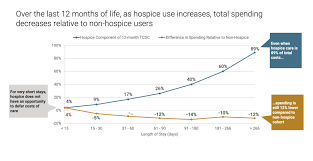
Funding remains one of the most significant challenges in elderly healthcare and hospice care. Although Medicare covers many hospice services, it does not fully support long-term caregiving needs, extended in-home care, or all non-medical support services. As a result, families are often forced to endure financial burdens during an already emotionally difficult time. According to MIT News, hospice care leads to major savings because “patients receiving hospice care had substantially fewer hospitalizations and lower overall Medicare spending,” showing how current funding structures fail to prioritize cost-effective, comfort-based care.
Despite this evidence, hospice programs continue to face limited funding and staffing shortages. Many facilities rely on nonprofit donations, volunteers, and community fundraising to remain operational. This disconnect between proven cost savings and insufficient funding makes it difficult for hospice organizations to expand services or reach underserved populations. Without stronger financial support and policy prioritization, many elderly patients will continue to lack access to high-quality hospice care even though it benefits both families and the healthcare system as a whole.