Federalism
Unit 1 – Foundations of American Democracy, Chapter 3: Federalism
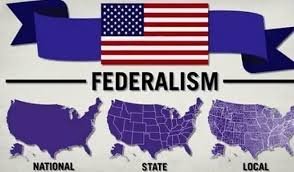
Federalism relates to my service learning project and policy issue because hospice care is influenced by both the federal and state governments. Healthcare is not controlled by a single level of government; instead, it is divided between national and state governments. This division directly affects how hospice care is funded, regulated, and accessed by elderly patients.
On the federal level, hospice care is primarily funded through Medicare, specifically the Medicare Hospice Benefit. This federal program determines eligibility requirements, covered services, and reimbursement rates for hospice organizations nationwide. Federal agencies such as the Centers for Medicare and Medicaid Services (CMS) oversee hospice programs and ensure that providers follow national guidelines. This shows how the federal government plays a major role in shaping hospice care policy.
However, state governments are responsible for licensing hospice facilities, regulating staffing requirements, and enforcing healthcare standards. States also influence how easily hospice organizations can expand services within their communities. Because each state makes its own decisions, access to hospice care can vary depending on where a patient lives. Through my volunteering at Hospice of the Valley, I observed how this division of power impacts patient care, as federal funding supports services while state regulations can limit capacity and expansion.