Reflection Questions
What still needs to be done to further your goals?
Although my service learning project helped me understand the importance of hospice care, there is still much work that needs to be done to improve elderly healthcare in the community. One major goal that still needs to be addressed is expanding access to hospice services, especially for low-income and underserved populations. Many elderly individuals either enter hospice care too late or are unaware that hospice services exist at all. In addition, more funding and policy support are needed to help hospice organizations expand staffing and outreach efforts. While Hospice of the Valley does an excellent job supporting patients, limited resources can restrict the number of individuals they are able to serve. Further government attention and community involvement are necessary to ensure that hospice care is accessible to all who need it.
What follow-up is needed to address any challenges or difficulties?
One of the main challenges I observed was the strain placed on hospice staff due to limited resources and high demand. Some other actions should include advocacy for healthcare funding and policies that support hospice and palliative care programs. Communicating with legislators and healthcare officials can help bring attention to these challenges. Another important follow-up step is continued volunteering. Volunteers play a crucial role in supporting patients emotionally and assisting staff with daily tasks. Encouraging more people to volunteer can help reduce the workload on the staff and can improve patient experiences. Ongoing partnerships between hospice organizations and community members would help address these difficulties more effectively.
What information can you share with your peers or the community?
One important piece of information I can share with others is that hospice care is not about giving up, but putting quality of life and comfort first. Many people mistakenly believe hospice is only for the final days of life, when in reality, early hospice care can greatly benefit patients and families. I can also inform peers and community members about how hospice care is funded through Medicare and how public policy directly affects access to these services. Sharing my volunteer experience helps others understand the real-world impact of healthcare policies and encourages them to become more informed about elderly healthcare issues.
How can you educate others or raise awareness about this group or social issue?
One way to raise awareness is by sharing information through school projects, presentations, and social media. By discussing my experience at Hospice of the Valley, I can help break misconceptions about hospice care and highlight its importance. Raising awareness among younger generations is especially important, as many students are unaware of the challenges elderly populations face. In addition, websites and community efforts can be used to educate families about hospice services and eligibility. Encouraging conversations about end-of-life care can help families make informed decisions earlier and reduce fear or misunderstanding surrounding hospice care.
What kinds of activities are currently taking place in the community related to this project?
In the community, organizations like Hospice of the Valley provide patient care, grief support, and counseling services for families. Volunteers assist with daily tasks, patient support, and emotional support. These activities help improve the quality of life for patients while also helping out families during hard times. Additionally, hospice organizations often participate in outreach programs to educate the public about end-of-life care and available resources. Community partnerships and volunteer programs play a major role in sustaining hospice services and addressing the growing needs of the elderly population.
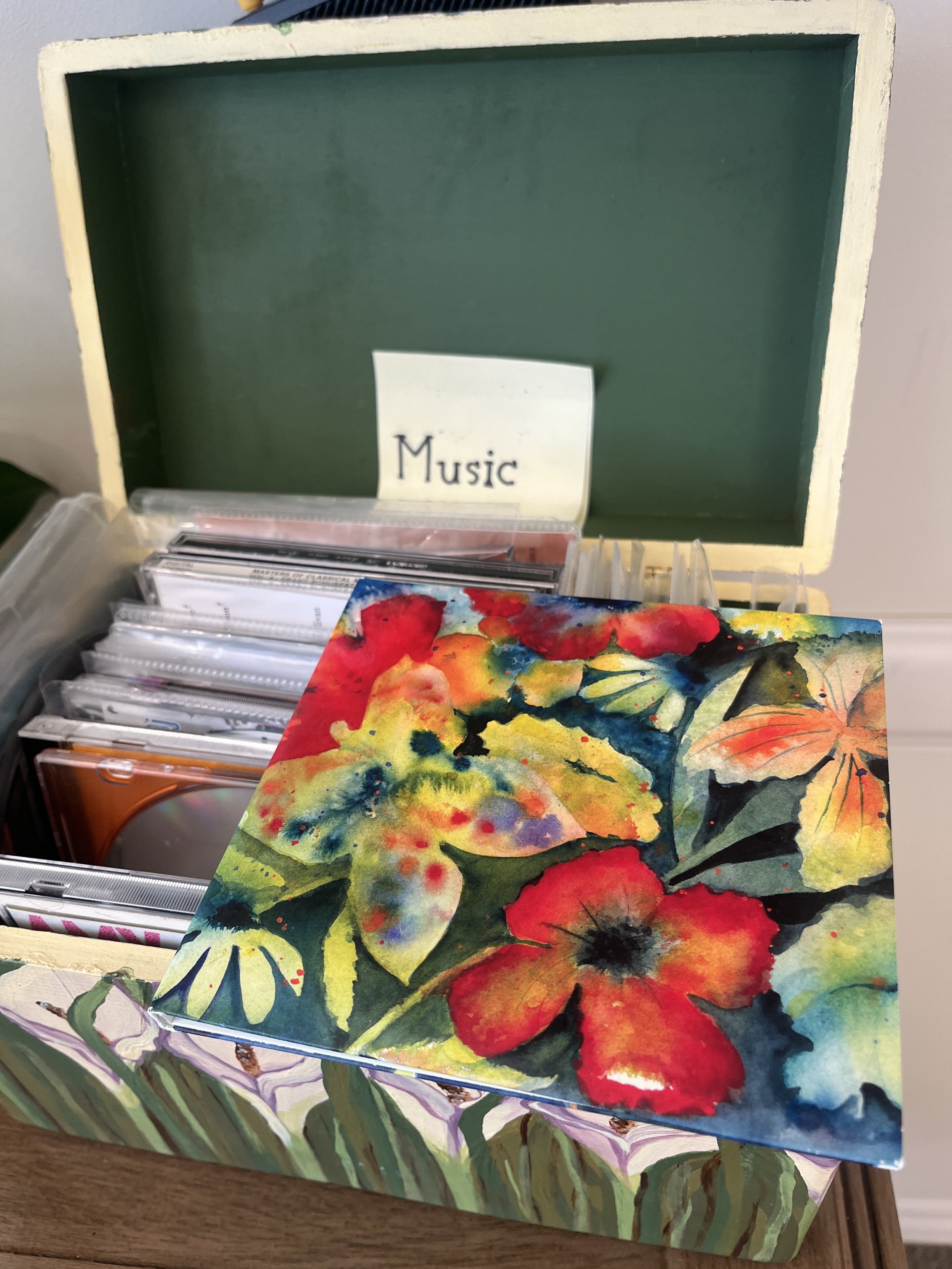
I played this Album by Adrianne Lenker for a patient on the record player that is at the Hospice of the Valley - Thunderbird Palliative Care Center.
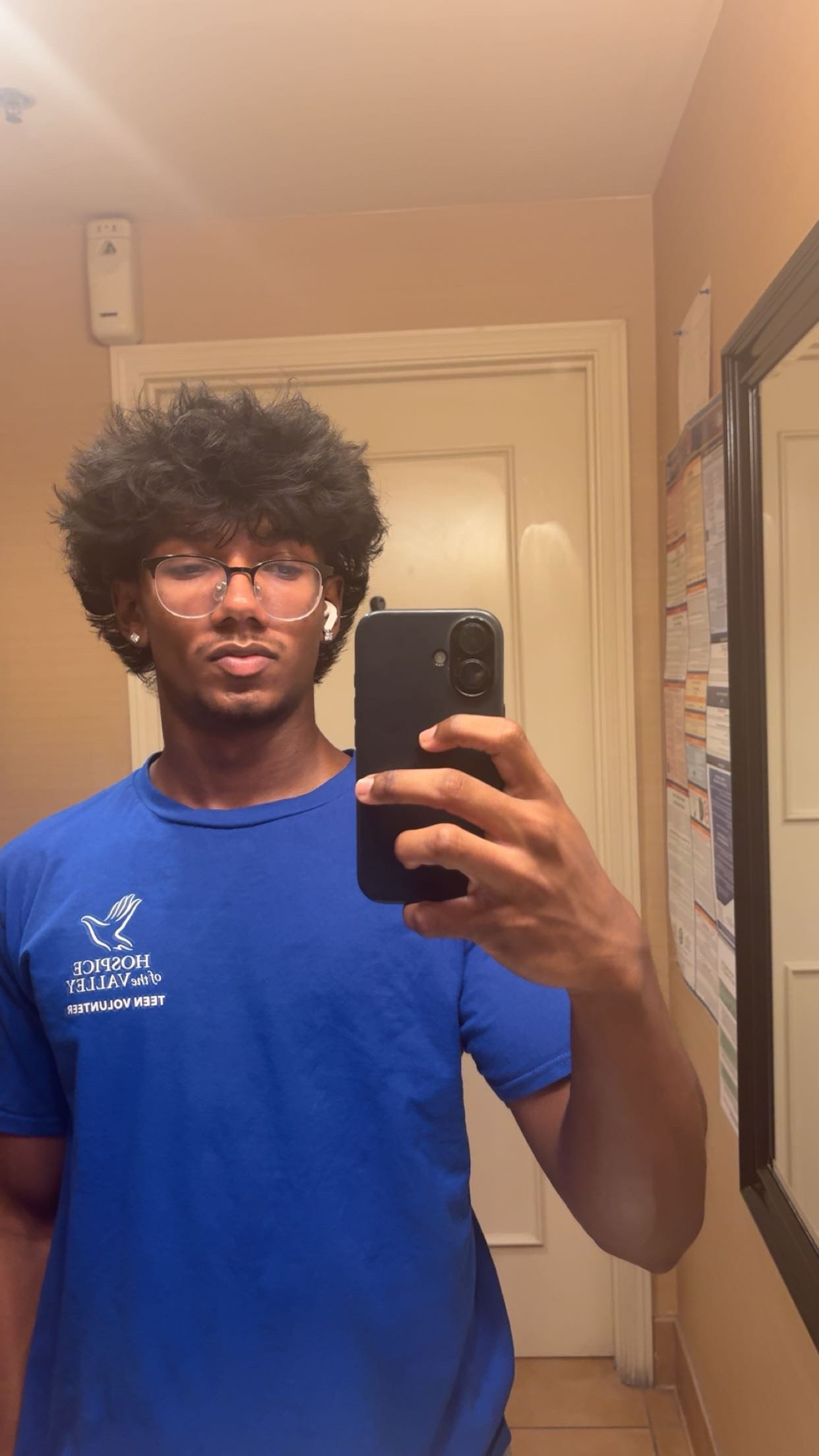
Picture of me inside one of the patient rooms that was empty.